
Prepared on December 4, 2023, by Patriccia Ordonez-Kim. Data was compiled on December 4, 2023, by Camille Tiangco.
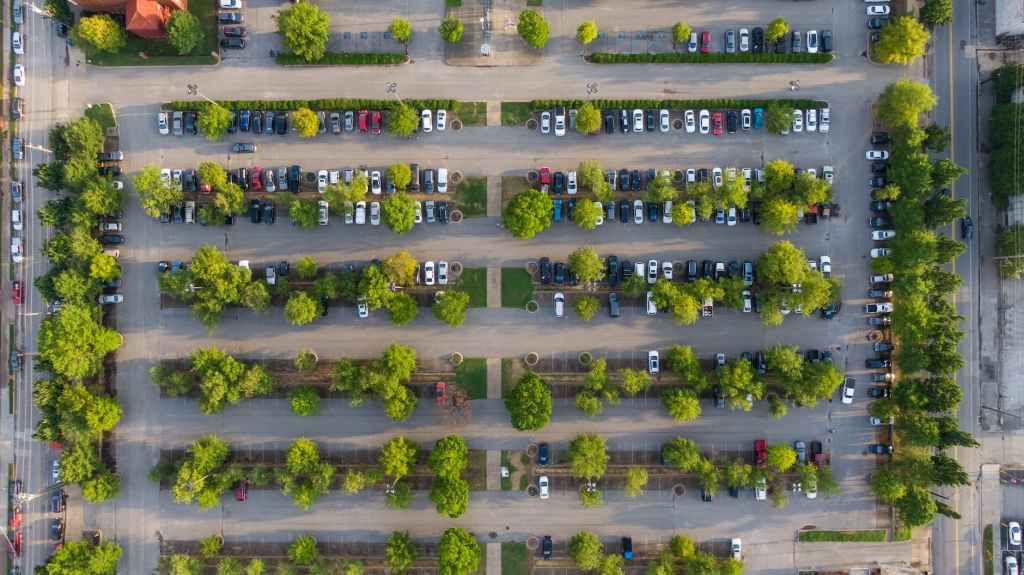
Transportation challenges and rising costs of parking and transit passes are causing financial hardship for graduate students at several UC campuses. At UC Davis, parking rates are increasing while availability is decreasing, and the Unitrans bus system does not offer free passes to graduate students. Meanwhile, at UCI, parking will no longer be included in housing costs, and there needs to be more reliable public transit. These barriers disproportionately affect students with disabilities, families, and those requiring medical care. If students are forced to drive more due to a lack of viable alternatives, UC’s sustainability goals are contradicted. We urge campuses to address transportation affordability and ensure graduate studies are accessible to all qualified students. Increased communication and data sharing also help address uncertainties around admissions and employment. Additionally, at UCSF, while a subsidized monthly transit pass is offered, some students must pay out of pocket if their department does not cover the fee.
Here’s a detailed analysis of parking permit prices compared to monthly stipends, considering factors like take-home pay, work expenses, and the cost of living:
Monthly Stipend vs. Monthly Parking Permit Cost
| Campus | Monthly Stipend (June 2023) | Monthly Stipend (Jan 2024) | Parking Permit Cost | Parking Cost as % of Stipend (June 2023) | Parking Cost as % of Stipend (Jan 2024) |
|---|---|---|---|---|---|
| UC Berkeley | $3,236 – $4,653 | $3,323 – $4,770 | $116.60 | 3.6% – 2.5% | 3.5% – 2.4% |
| UC Davis | $2,764 – $3,500 | $2,812 – $3,585 | $70.00 | 2.5% – 2.0% | 2.5% – 2.0% |
| UC Irvine | $3,040 – $3,800 | $3,103 – $3,880 | $95.00 | 3.1% – 2.5% | 3.1% – 2.4% |
| UC Los Angeles | $2,929 – $3,236 | $2,997 – $3,314 | $97.64 | 3.3% – 3.0% | 3.3% – 2.9% |
| UC Merced | $2,400 – $3,000 | $2,452 – $3,060 | $74.00 | 3.1% – 2.5% | 3.0% – 2.4% |
| UC Riverside | $2,352 – $3,040 | $2,404 – $3,103 | $61.00 | 2.6% – 2.0% | 2.5% – 2.0% |
| UC San Diego | $3,466 – $4,458 | $3,536 – $4,539 | $104.00 | 3.0% – 2.3% | 3.0% – 2.3% |
| UC San Francisco | $4,150 – $5,200 | $4,221 – $5,332 | $166.00 | 4.0% – 3.2% | 3.9% – 3.1% |
| UC Santa Barbara | $2,250 – $2,800 | $2,295 – $2,860 | $37.50 | 1.7% – 1.3% | 1.6% – 1.3% |
| UC Santa Cruz | $2,200 – $2,933 | $2,244 – $2,999 | $73.33 | 3.3% – 2.5% | 3.3% – 2.4% |
Observations:
- Parking Cost Variation: Parking permit costs vary significantly across UC campuses, ranging from a low of $37.50 at UC Santa Barbara to a high of $166.00 at UC San Francisco.
- Parking Cost as a Percentage of Stipend: Parking costs account for a smaller percentage of the monthly stipend for higher-stipend campuses. For instance, at UC San Francisco, parking costs represent around 4% of the stipend, while at UC Santa Barbara, they represent about 1.7%.
- Professional Student’s Burden: Professional students who are often not employed as ASEs pay for their post-baccalaureate education out-of-pocket through their incomes or student loans, if not fellowships or scholarships. The table above does not account for the impact of parking costs on professional students’ household incomes.
- Impact on Take-Home Pay: Parking expenses can impact graduate students’ take-home pay, particularly for those on the lower end of the stipend range. For example, at UC San Francisco, the parking cost of $166 could reduce an ASE’s monthly take-home pay by up to $166, depending on their tax bracket and other deductions.
- Cost of Living Considerations: The cost of living in the surrounding area, such as housing, groceries, and transportation, should also be factored in when considering the financial burden of parking costs. For example, ASEs living in more expensive areas like San Francisco or San Diego may have a higher overall cost of living,
Public Transit Offerings at University of California Campuses
Public transportation connects students, faculty, and staff to the greater Bay Area and beyond. Recognizing the importance of accessible and affordable transportation options, several UC campuses have partnered with local transit agencies to offer comprehensive public transit passes to their communities.
UC Berkeley: BayPass Pilot Program
In collaboration with Bay Area Rapid Transit (BART) and the Metropolitan Transportation Commission (MTC), UC Berkeley launched the BayPass Pilot Program in August 2022. This two-year pilot project provides 12,000 randomly selected students with a complimentary Clipper BayPass, granting unlimited access to all transit services in the 9-county Bay Area. The BayPass Pilot aims to evaluate the impact of expanded transit access on student travel patterns, academic success, and overall well-being.
UC Irvine: OCTA University Pass and Train Savings
UC Irvine partners with the Orange County Transportation Authority (OCTA) to offer discounted transit options for students. The OCTA University Pass provides an 82% discount on OC Bus’s monthly rate, making it an affordable transportation choice for those commuting within Orange County. Additionally, UCI students receive a 20% rebate on Amtrak/Metrolink monthly, 10-trip, 7-day, and 5-day tickets, encouraging travel beyond Orange County.
UCLA: Bruin Grad Pass
UC Los Angeles offers the Bruin Grad Pass to all graduate students, providing unlimited access to seven transit agencies serving the UCLA campus and surrounding areas. This comprehensive pass includes Los Angeles Metro bus and rail lines, Santa Monica Big Blue Bus, Culver CityBus, Antelope Valley Transit, Santa Clarita Transit, Long Beach Transit, and LADOT Commuter Express. While the Bruin Grad Pass covers a broader range of routes, it does not include Amtrak or Metrolink services.
UC Riverside: RTA UPASS PROGRAM
Through a partnership with the Riverside Transit Agency (RTA), UC Riverside provides free public transportation access to all students, faculty, and staff. This inclusive program covers RTA routes directly servicing the UCR community and neighboring areas in Western Riverside County. The RTA UPASS PROGRAM eliminates financial barriers to transit use, promoting sustainable and equitable transportation options.
UC San Diego: Triton U-Pass
UC San Diego offers the Triton U-Pass to all undergraduate and graduate students who have paid quarterly registration fees. This program provides unlimited access to regional Metropolitan Transit System (MTS) and North County Transit District (NCTD) bus and trolley/light rail routes during the fall, winter, and spring academic quarters. With the Triton U-Pass, students can conveniently travel to and from campus, explore the San Diego region, and connect with surrounding communities.
Varied Effectiveness of Public Transit: Considerations of Individual Needs and Transit Quality
However, it is essential to note that the effectiveness of these public transit offerings in offsetting transportation costs depends on individual student travel patterns and needs. These programs can provide significant savings for students who rely heavily on public transportation. However, the transit pass cost may not be justified for students who use public transportation occasionally or live near campus.
Additionally, the availability and quality of public transit services vary across UC campuses and surrounding areas. In some cases, public transit may not be viable due to limited routes, infrequent schedules, or lack of accessibility. For students living in regions with limited public transit options, parking may still be the most practical and efficient mode of transportation.
Overall, the public transit offerings at UC campuses can be a valuable resource for graduate and professional students, helping to reduce transportation costs and promote sustainable travel practices. However, the effectiveness of these programs depends on individual student needs and the availability of quality public transit services in the surrounding area.
Impact of Safety and Reliability on Public Transit Usage
In addition to financial considerations, the safety and reliability of public transit services play a crucial role in determining whether graduate and professional students opt for these options.
Safety Concerns in the Bay Area
The Bay Area, particularly Oakland and San Francisco, has experienced an increase in violent crime rates in recent years. This raises concerns about public transit safety, especially for students traveling late at night or in less well-lit areas. Transit agencies in the Bay Area have implemented various measures to enhance safety, such as increased police presence, improved lighting, and installation of emergency call buttons. However, safety concerns remain a factor for some students, potentially deterring them from using public transit.
Reliability and Scarcity in Orange County
While Orange County generally has lower crime rates than the Bay Area, public transit reliability and coverage concern UC Irvine and Chapman University students. While covering a wider area, the OCTA bus system has been criticized for infrequent schedules and unreliable service. This can be particularly challenging for students commuting from off-campus housing or relying on public transit for evening activities.
Safety and Reliability Considerations in Other UC Campuses
Safety and reliability concerns are not limited to the Bay Area and Orange County. Students at UCLA, for instance, may encounter safety issues on specific public transit routes, particularly at night or in areas with higher crime rates. Additionally, while extensive, the Los Angeles Metro system can be overcrowded and unreliable during peak hours.
Overall Significance
Safety and reliability influence students’ perceptions and public transit usage. Addressing these concerns requires a combination of strategies, including enhanced safety measures, improved scheduling, and increased route coverage. By prioritizing safety and reliability, UC campuses and local transit agencies can encourage greater utilization of public transit among graduate and professional students, promoting sustainable transportation options and enhancing the overall student experience.
Conclusion
Transportation affordability remains a significant concern for graduate and professional students at UC campuses. Rising parking costs and limited public transit options can strain their budgets, particularly for those with lower stipends or limited financial resources. Addressing these challenges requires a comprehensive approach that involves collaboration between UC campuses, local transit agencies, and student representatives.
Expanding public transit access and providing affordable passes can significantly reduce transportation costs for students who rely heavily on these services. However, the effectiveness of these programs depends on the quality and reliability of public transit options in specific areas. Enhanced safety measures, improved scheduling, and increased route coverage are crucial to address safety concerns and encourage more significant public transit usage among students.
In addition to addressing transportation costs, improving communication and data sharing between UC campuses and local transit agencies can help alleviate uncertainties around admissions and employment. By providing students with transparent and up-to-date information about parking availability, public transit options, and transportation-related costs, UC campuses can empower students to make informed decisions about their transportation needs.
Ultimately, ensuring accessible and affordable transportation for graduate and professional students is essential for promoting equity, sustainability, and overall student well-being. By addressing the challenges outlined in this report, UC campuses can create a more supportive and inclusive environment for all students.
Footnotes:
- Comprehensive data sheet: UC Parking and transit costs – compiled as of December 4, 2023
- Professional students pursue post-graduate education in fields that prepare them for specific professions, such as law, medicine, business, and engineering. They are typically enrolled in programs that lead to professional degrees, such as Juris Doctor (JD), Doctor of Medicine (MD), Master of Business Administration (MBA), or Master of Science (MS) in a specific discipline.
- https://www.fhwa.dot.gov/policy/2002cpr/pdf/ch14.pdf
- https://nascsp.org/wp-content/uploads/2018/02/issuebrief-benefitsofruralpublictransportation.pdf
- https://transweb.sjsu.edu/sites/default/files/1101-transit-bus-demand-factors-in-US-metro-areas.pdf
- https://www.cbsnews.com/sanfrancisco/tag/bart/


 Official Blog | UCGPC
Leave a comment