

The U.S. Department of Agriculture’s Food and Nutrition Service is seeking public comments on a proposed study to develop new guidance for SNAP eligibility and Quality Control interviews, with a focus on improving access for graduate and professional students, particularly those at California universities. As reported by the California Policy Lab, a significant portion of eligible college students, including 71% of UC graduate students, are not enrolled in CalFresh, highlighting the need for improved interview processes and outreach strategies.
Public comments due January 21, 2025. Policy analysts, higher ed scholars and practitioners, especially student advocates. Read more on the official federal register: https://www.federalregister.gov/documents/2024/11/19/2024-26941/agency-information-collection-activities-proposed-collection-request-for-comments-on-guidance-for?eType=EmailBlastContent&eId=8e6b5a18-1325-4d40-9221-1e939c848081.
SNAP Study Overview
This proposed study aims to redesign SNAP eligibility and Quality Control interview guidelines using principles of human-centered design and cultural competency. By incorporating feedback from SNAP participants, state agency staff, and expert panels, the study seeks to address barriers in the current system and enhance equitable access to benefits. Key activities include semi-structured interviews with state SNAP agencies and cognitive testing with 40 low-income individuals per guide, ensuring the updated guidance is practical and inclusive.
Barriers for Graduate Students
Graduate students face unique challenges in accessing SNAP benefits, with missed interviews being a significant barrier. A staggering 27% of applicants experiencing housing instability were denied due to missed interviews 1, highlighting the need for more flexible scheduling options. The complex living situations of graduate students, including on-campus housing and shared apartments, can complicate eligibility determinations. Additionally, the time constraints of academic and research commitments make it difficult for students to navigate the application process and attend scheduled interviews. These barriers contribute to the low enrollment rates among eligible graduate students, with only 29% of eligible UC graduate students participating in CalFresh as of fall 2019.

Focus Areas for UC GSAs
UC campus Graduate Student Associations (GSAs) should focus their comments on several key areas to improve SNAP access for graduate students:
- Advocate for flexible interview scheduling that accommodates academic commitments
- Propose diverse communication channels (e.g., email, text) to prevent missed notifications
- Address unique housing situations and their impact on eligibility
- Suggest streamlined documentation requirements, especially for international students
- Recommend improved outreach strategies to increase awareness among graduate students
- Highlight how research stipends and fellowships affect eligibility
GSAs should also solicit experiences from students who have applied for or been denied CalFresh, particularly regarding interview challenges, documentation difficulties, and balancing the application process with academic responsibilities. These insights will provide valuable feedback for enhancing the SNAP certification process for graduate and professional students.
Study Methodology and Respondents
The proposed study employs a multi-faceted approach to gather comprehensive data on SNAP interview processes. Semi-structured interviews with staff from four state SNAP agencies will be conducted during virtual site visits, collecting qualitative information on current practices, staff training, and existing guidance. To ensure the new guides are effective, cognitive interviews will be carried out with 40 low-income individuals for each guide, using a mix of in-person and telephone formats. The study encompasses a diverse range of respondents, including state SNAP directors, management officials, QC reviewers, policy and training officials, local SNAP directors, eligibility workers, non-profit managers, and individuals with low incomes. This methodology aims to capture a holistic view of the SNAP interview process, incorporating perspectives from both administrators and potential beneficiaries.
Role of Academic Schedules in Shaping SNAP Accessibility

pcmag.com
The academic schedules of graduate and professional students significantly impact their ability to access SNAP benefits, creating unique challenges that require tailored solutions. Many graduate students struggle to meet the program’s work requirement of 20 hours per week, as this can negatively affect their academic performance and time-to-degree completion 1. The rigorous demands of research, teaching assistantships, and coursework often conflict with traditional interview scheduling, leading to missed appointments and subsequent benefit denials 2.To address these issues, UCGPC should advocate for:
- Flexible interview scheduling that aligns with academic calendars and research commitments
- Recognition of research and teaching assistantships as qualifying work activities for SNAP eligibility
- Implementation of online or asynchronous interview options to accommodate varying student schedules
- Extended application periods that consider academic term start and end dates
- Improved coordination between university financial aid offices and SNAP agencies to streamline eligibility verification
By adapting SNAP processes to the realities of graduate student life, these changes could significantly increase access to vital nutrition assistance and support academic success among this vulnerable population.
Alignment with FAFSA Timelines
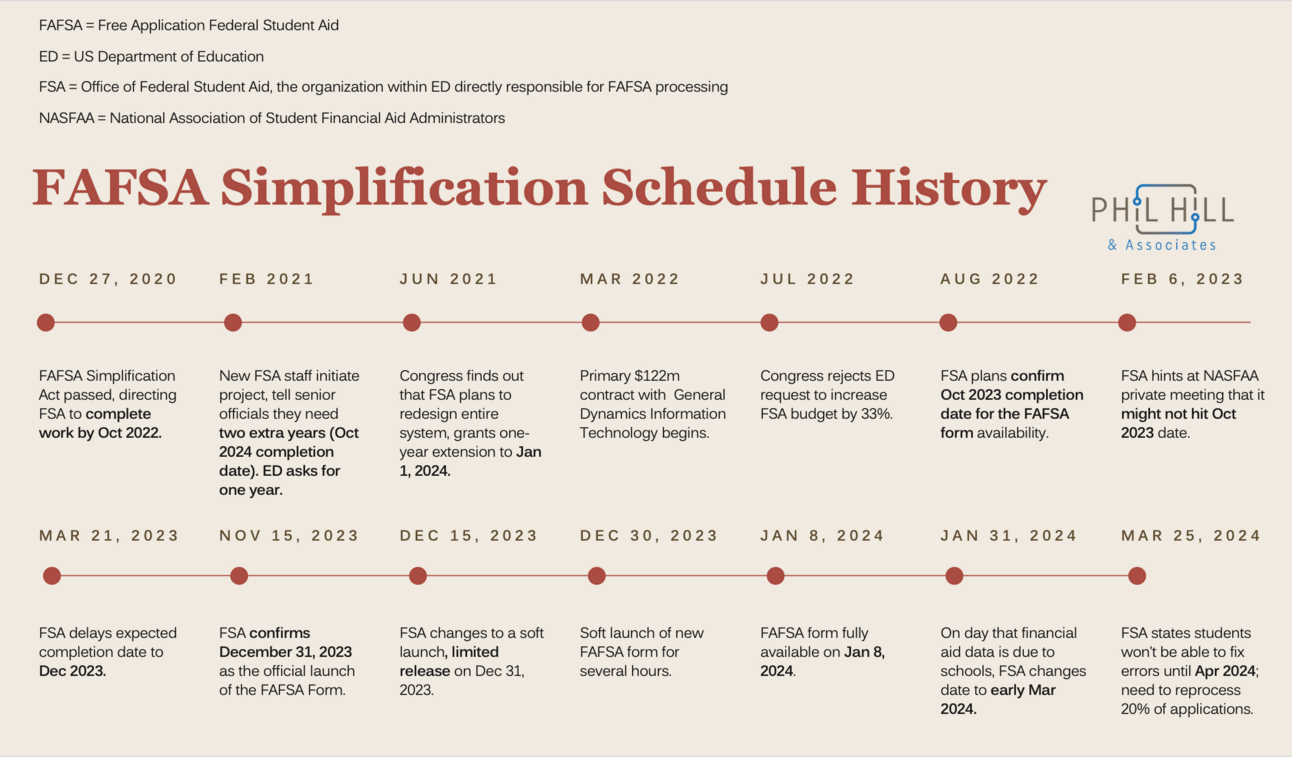
The alignment of SNAP application processes with FAFSA timelines is crucial for improving access to benefits for graduate and professional students. The recent changes to the FAFSA timeline, with the application opening in December 2023 instead of October, have implications for SNAP eligibility and application processes 1. This shift provides an opportunity to synchronize SNAP outreach and eligibility determinations with the new FAFSA cycle. Key considerations for aligning SNAP with FAFSA timelines include:
- Coordinating SNAP outreach efforts with FAFSA completion workshops on campuses
- Utilizing FAFSA data, such as the Expected Family Contribution (EFC) of $0, to streamline SNAP eligibility for students 2
- Adjusting SNAP application periods to coincide with financial aid disbursement schedules
- Implementing a simplified SNAP application process for students who have already completed their FAFSA
- Ensuring SNAP eligibility workers are aware of the new FAFSA timeline to better assist student applicants
By aligning these processes, institutions can create a more integrated approach to student financial support, potentially increasing SNAP enrollment among eligible graduate and professional students.
Graduate Funding and SNAP
grad.wisc.edu
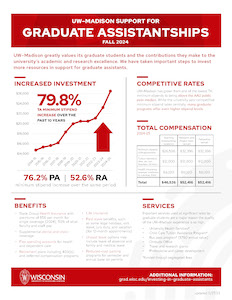
Graduate student Teaching Assistantships (TAships) and Graduate Student Researchships (GSRships) play a crucial role in both financial support and academic development, but they can significantly impact SNAP eligibility and re-eligibility, especially during summer months. These positions typically provide a combination of salary and tuition allowance, with specific requirements varying by institution 12. During the academic year, TAships and GSRships often align well with SNAP’s work requirements, as they usually involve 20 hours of work per week. However, summer appointments can create complications for SNAP eligibility. Many institutions offer summer funding guarantees or opportunities for graduate students, which can affect their SNAP status1.For example, Stanford University guarantees summer funding for graduate students in years 1-5, equivalent to a minimum 50% assistantship level 1. While this financial support is beneficial, it may push students over the income threshold for SNAP eligibility during summer months. Similarly, other universities may offer increased summer work hours or additional research opportunities that temporarily boost income.The fluctuation in income between academic year and summer can lead to challenges in maintaining consistent SNAP benefits. Students may find themselves ineligible during summer due to increased earnings, only to become eligible again when the fall semester begins. This creates a “cliff effect” where earning more through summer work paradoxically makes it more difficult for students to afford basic living expenses once their SNAP benefits are reduced or cut off 3. To address these issues, SNAP policies should consider:
- Implementing longer certification periods for graduate students to account for academic-year income fluctuations 3.
- Adjusting income calculations to average earnings over a longer period, rather than relying solely on monthly reporting 3.
- Allowing for temporary income increases (e.g., summer work) without immediately impacting eligibility 3.
- Coordinating with university financial aid offices to better understand the nature of graduate student funding packages and their impact on SNAP eligibility.
It’s important to note that some states have already implemented policies to smooth out these income fluctuations. For instance, some have chosen to extend certification periods to 12 months and adjust reporting requirements, which can help graduate students maintain more stable SNAP benefits throughout the year 3. By addressing the unique financial situations of graduate students, including the impact of TAships, GSRships, and summer income, SNAP policies can be better tailored to support this population’s nutritional needs while encouraging academic and professional progress.
Citations:
California Policy Lab. (2024, November 25). New report finds the majority of California college students who are eligible for CalFresh benefits don’t participate. https://capolicylab.org/news/new-report-finds-the-majority-of-california-college-students-who-are-eligible-for-calfresh-benefits-dont-participate/
California Policy Lab. (2024, August 22). Filling the gap: CalFresh eligibility among University of California and California Community College students. https://capolicylab.org/filling-the-gap-calfresh-participation-among-university-of-california-and-california-community-college-students/
KQED. (2024, June 5). Study reveals low CalFresh enrollment among California college students. https://www.kqed.org/news/11989080/study-reveals-low-calfresh-enrollment-among-california-college-students
Whitford, E. (2024, June 4). Many California students eligible for CalFresh but a fraction enroll. Inside Higher Ed. https://www.insidehighered.com/news/students/physical-mental-health/2024/06/04/report-fraction-students-eligible-calfresh-enroll
BestColleges. (2024, June 7). Majority of California college students eligible for CalFresh benefits don’t enroll: Report. https://www.bestcolleges.com/news/report-majority-of-california-college-students-eligible-for-calfresh-dont-enroll/

 Official Blog | UCGPC
Leave a comment