

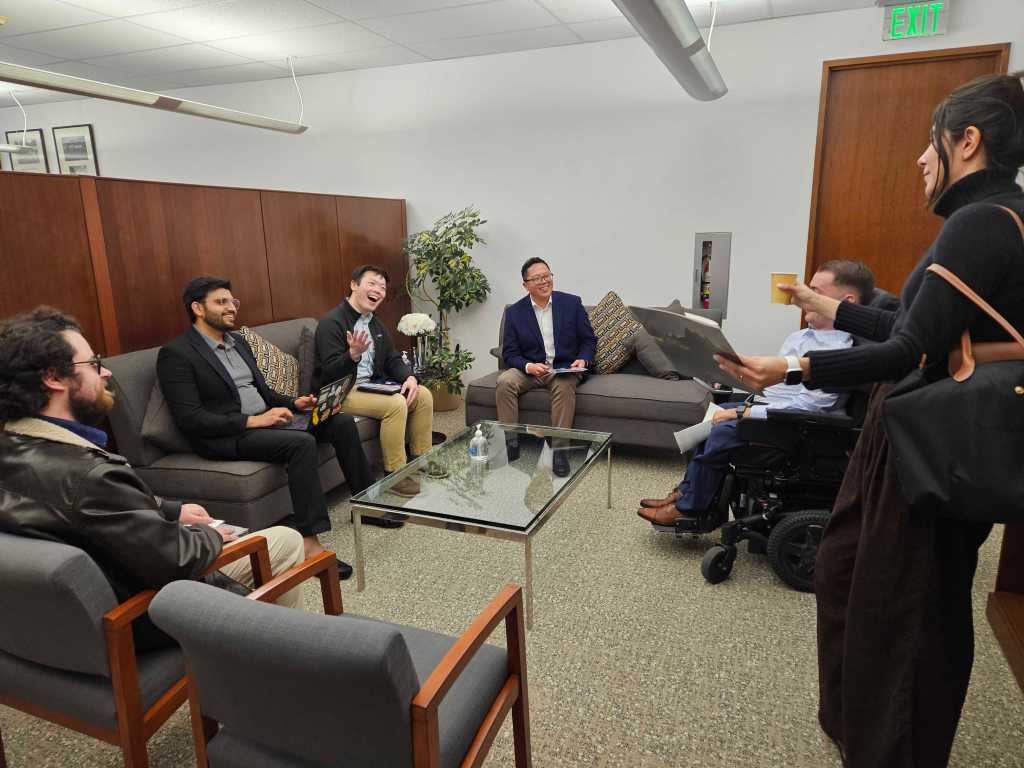
In a recent meeting that highlighted the complexities facing higher education, student leaders from across the University of California system convened with President Michael Drake and key UCOP staff members. The gathering addressed a range of issues from research funding to student rights, underscoring the ongoing dialogue between institutional priorities and student concerns.

The meeting, held at UCOP headquarters, covered several pressing topics. Chief among these was the potential impact of federal funding cuts, particularly to the National Institutes of Health (NIH). President Drake outlined the significance of these cuts to the UC system’s research programs. “These reductions could have far-reaching effects on our ability to conduct cutting-edge research,” Drake stated.
Francesco Dalla Ricca, UCSF External Vice President and Graduate Student Representative, emphasized that potential NIH funding cuts pose a significant threat to groundbreaking research and the future of scientific innovation at UC. He stressed that these cuts are more than just numbers on a spreadsheet; they have real and profound implications for the university’s research capabilities.
Student representatives, many involved in research projects themselves, sought details on the university’s strategy to address these potential losses. While the administration spoke of ongoing legal challenges and bipartisan efforts to combat the cuts, specific contingency plans remained unclear.

The rights and protections of international and undocumented students formed another significant point of discussion. In the current political climate, the UC system is navigating the complex terrain between federal compliance and its commitment to diversity and inclusion. Student leaders expressed concerns about the lack of clear strategies to support undocumented students and called for more public statements of support.
Free speech and political dissent on campus emerged as a contentious topic, particularly in light of recent executive orders threatening student visas for those engaged in pro-Palestinian advocacy. President Drake reaffirmed the university’s commitment to protecting content-neutral speech, including political dissent. However, students pressed for more specific protections and clarifications on how the UC system would safeguard students’ rights to political expression.
The implementation of Time, Place, Manner (TPM) policies also came under scrutiny. Students voiced concerns about the lack of student input in developing these policies and limited opportunities for clarification. The administration’s response focused on existing channels for feedback, which some students felt was insufficient.
Throughout the meeting, a pattern emerged: while the UC leadership expressed willingness to listen and engage, concrete policy changes or new commitments were notably absent. President Drake encouraged student associations to continue sharing their stories, emphasizing the impact of personal narratives on university policy. However, for many student leaders, this call for more dialogue seemed to fall short of the immediate action they were seeking.
The meeting also touched on other issues, including potential cuts to student loan forgiveness programs, protocols for handling ICE presence on campus, and increasing graduate student representation in meetings with chancellors.
Brandon Chu, UCSF GPSA’s External Vice President for Professional Students, expressed concerns about the impact of changes at the NIH, NSF, and potential cuts to the Public Service Loan Forgiveness Program on students and researchers. He highlighted the financial challenges faced by those pursuing careers in underserved communities, noting that such roles often don’t cover the cost of medical tuition. Brandon emphasized the chilling effect these uncertainties have on students and researchers dedicated to the common good and sought assurances for those affected by these changes.

As the meeting concluded, it was clear that while channels of communication between students and administration remain open, significant work lies ahead in addressing student concerns. The coming months will be crucial in determining whether the issues raised in this meeting translate into tangible policy shifts.
The gathering served as a microcosm of the broader challenges facing higher education in America today. As universities navigate funding pressures, political complexities, and evolving social norms, the need for substantive dialogue between administration and students remains paramount.
For the University of California, this meeting represents not an end, but a continuation of an ongoing conversation about the future of higher education in the state and beyond.
Further Reading:
- Federal Funding Cuts to NIH:
- Federal Judge Halts NIH Cuts That Could Impact Medical Research
- NIH Budget Cuts Are the ‘Apocalypse of American Science,’ Experts Say
- University of Iowa Could Miss Out on $33.4M in Research Funding if NIH Cuts Are Approved
- NIH Funding Cuts Threaten Medical Research in U.S.
- How NIH Funding Cuts Will Impact Hospitals and Universities
- Free Speech and Political Dissent on Campus:
- Time Place Manner (TPM) Policies:
- Student Loan Forgiveness Programs:
- ICE Presence on Campus:

 Official Blog | UCGPC
Leave a comment